


Concert dB Guide
The best concerts stay with you long after the lights go down. Maybe it's the first chord of your favourite song. The crowd singing every word. The feeling of live music vibrating through the venue.
Live music is meant to be loud. That's part of the experience.
But if you've ever walked out of a show with ringing ears or muffled hearing, you've probably wondered: how loud was that concert?
The answer depends on the venue, the artist, where you're standing and even the genre of music. In this guide, we'll break down typical concert sound levels, explain what different decibel numbers actually mean and share practical tips to help you enjoy live music more comfortably.
What does "dB" actually mean?
Most people have heard the term decibel (dB), but few know what it represents.
A decibel is simply a way of measuring sound intensity. The higher the number, the louder the sound.
One important thing to remember is that decibels don't increase in a straight line. A small jump in dB can represent a much bigger increase in sound energy, which is why a concert at 100 dB feels dramatically louder than a busy street at 80 dB.
The key takeaway is simple: higher decibel levels generally mean your ears are working harder.
How loud are concerts?
There's no single answer because every concert is different.
A small acoustic performance may feel completely different from an arena rock show or an electronic music festival. Even moving a few metres further from the speakers can noticeably change what you hear.
Some of the biggest factors include:
- Venue size
- Speaker placement
- Music genre
- Crowd size
- Indoor vs outdoor events
- Where you're standing
That's why two people attending the same show can have very different experiences.
Signs a concert was louder than you expected
After a show, you might notice:
- Ringing in your ears
- Muffled hearing
- Feeling like your ears need time to "recover"
- Sounds seeming quieter than usual
- Needing to turn the TV up more than normal
If this happens, it's a good reminder to think about hearing protection next time you're at a loud event.
Simple ways to enjoy concerts more comfortably
You don't have to stop going to live shows.
A few small habits can make a big difference.
- Bring reusable earplugs.
- Avoid standing directly in front of speakers for the entire show.
- Give your ears a break if you're spending a full day at a festival.
- Be mindful of back-to-back loud events.
- Choose hearing protection that lets you enjoy the music while lowering the overall volume.
The goal isn't to make concerts quieter. It's to make them more comfortable.
Do musicians wear hearing protection?
Yes. Many musicians, DJs, sound engineers, and venue staff wear hearing protection regularly. They're often exposed to loud environments for hours at a time, making earplugs a common part of their gear.
Depending on their role, they may choose earplugs designed to preserve sound clarity while lowering overall volume.
Is louder always better?
Not necessarily.
Great live sound isn't just about volume. It's about clarity, balance, and atmosphere.
Many concertgoers are surprised to find that lowering the volume slightly with high-fidelity earplugs can actually make details easier to hear. Instead of everything blending, vocals and instruments often sound more defined.
The goal isn't to block the music. It's to enjoy it more comfortably.
Frequently Asked Questions
How loud is the average concert?
Many concerts fall somewhere between 95 and 105 dB, although this varies by venue, genre and where you're standing.
Are outdoor concerts quieter?
Not always. Outdoor festivals can still reach very high sound levels, especially close to the main stage.
Does standing further away make a difference?
Yes. Distance from the speakers can have a noticeable impact on how loud a concert feels.
Why do my ears ring after a concert?
Ringing ears after a loud event can happen after exposure to high sound levels. If it keeps happening or doesn't go away, it's a good idea to seek advice from a qualified healthcare professional.
Can I still enjoy music while wearing earplugs?
Yes. High-fidelity earplugs are designed to lower volume while preserving much of the clarity of the music, making them a popular choice for concerts and festivals.
14M+ happy customers
Our earplugs
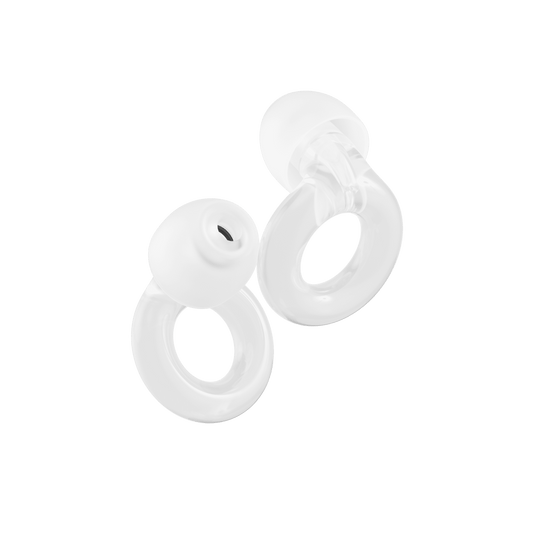

Loop Engage™ 2

Loop Experience™ 2

Loop Quiet™ 2
How to survive your first festival: Our music festival guide for beginners.
Having a proper plan in place will enhance your experience, and ensure your first festival experience is one to remem...
Protect Your Ears: How to Prevent Hearing Damage
Whether you’re working in noisy environments or are exposed to noise in free time, it’s important to protect your ear...

What Is Noise Pollution and How to Mitigate It
Noise pollution is a harmful or annoying level of noise – which can be a subjective measure In the US, acceptable ...