Hyperacusis: tips, advice & information
Discover relevant articles for hyperacusis, what it is, how to deal with it and prevention tips. Find relief with effective solutions.
Di Liesbeth Keuninckx
If you’re sensitive to sounds to the extent that it causes you discomfort or distress, you could be living with hyperacusis. It’s a relatively uncommon condition, which can make sufferers feel isolated. Luckily, there are ways to deal with the symptoms of hyperacusis, to help you live your life to the fullest. We’ve collected all the information you need to know about this condition in one place so you can find the right coping mechanisms for you, and explore practical ways to improve your quality of life.


Everything you need to know about hyperacusis
First things first: what is hyperacusis? The term comes from Ancient Greek, from the words for ‘excessive’ and ‘hearing’, and is a condition which causes people to have extreme noise sensitivity. While many people are sensitive to sound – especially loud noises – hyperacusis causes individuals to perceive normal sounds as being painful. Anything from running water to people talking can cause someone with hyperacusis extreme pain and discomfort.
The main symptom of hyperacusis is, of course, an extreme sensitivity to sound. This causes a pain which is often described as a stabbing or burning sensation. As well as this pain, people with hyperacusis may experience other symptoms like irritability, panic attacks, anxiety and depression.
Hyperacusis coping strategies
There’s no cure for the condition, but there are various hyperacusis treatments and coping strategies you can try, to help manage your symptoms. These include:
- Cognitive behavioral therapy
- Tinnitus retraining therapy
- Sound therapy
- Surgery
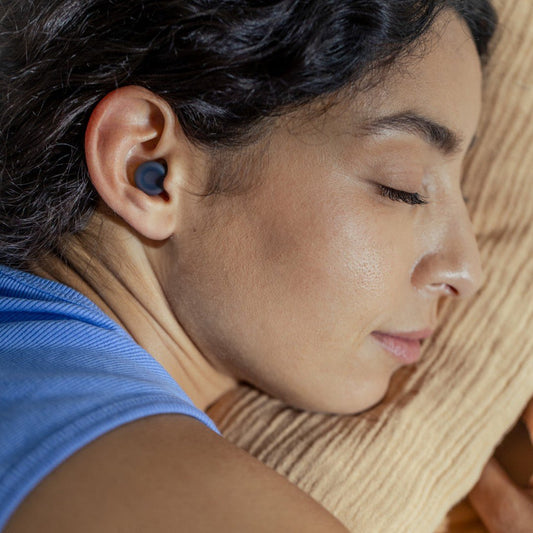
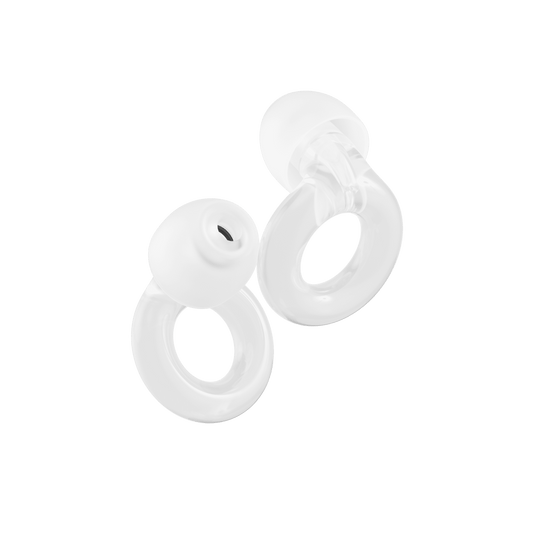
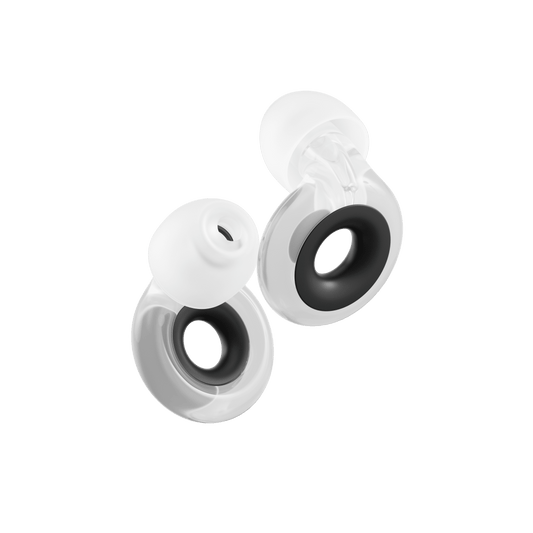
You may also want to make adjustments to your lifestyle, such as reducing stress and ensuring you get enough sleep. It’s also a good idea to protect your ears in loud environments. While it’s not recommended to completely block sounds out, reducing noise levels with earplugs can help to protect your ears from damage (which can make your hyperacusis worse) and reduce our overwhelm – just at a lower volume.
Featured article


Living with hyperacusis
Coping strategies and treatment options for when you're living wih hyperacusis. It can deeply affect your everyday life – but thankfully, there are things you can do to ease your symptoms. Find out more about what hyperacusis is, what causes it and how you can deal with it.
Earplugs for hyperacusis


Paris Hilton x Loop Engage™ 2



Loop Switch™ 2


Tomorrowland x Loop Switch™ 2