Introduction to autism and noise sensitivity
Di Liesbeth Keuninckx
For many people, autism and noise sensitivity go hand-in-hand. Because people with autism have differences when it comes to sensory processing, they may find certain sounds overwhelming distressing – and that heightened sensitivity can make everyday situations more difficult. It might be hard to be in crowded, noisy environments like shopping malls, concerts, and school – which can lead to isolation as you avoid noisy places, or extreme anxiety when exposed to loud environments.
Understanding how noise sensitivity can affect people with autism is the crucial first step when it comes to finding coping strategies that work – whether for you, your kids or your loved ones. With the right techniques to help you reduce noise levels and reduce overwhelm, you can improve your quality of life and overall wellbeing. We’ve gathered all the autism information you need to know, right here in one place.
What is autism?
The definition of autism according to Merriam-Webster is “a variable developmental disorder that appears by age three and is characterized especially by difficulties in forming and maintaining social relationships, by impairment of the ability to communicate verbally or nonverbally, and by repetitive behavior patterns and restricted interests and activities.”
Understanding the relationship between autism and noise sensitivity
One common symptom across all age groups is noise sensitivity. Autism noise sensitivity is linked to the way the brain filters auditory information – and because individuals with autism often process sensory stimuli differently, it can cause heightened sensitivity to noise.
This can significantly impact daily life and social interactions, causing discomfort, anxiety or sensory overload in noisy environments. It can leave people with autism reluctant to put themselves in noisy environments, or unwilling to engage in various activities, which can lead to social isolation and difficulty participating in social gatherings.
The key symptoms of autism
Everyone has different autism symptoms, and it presents differently in children and adults. Young children with autism may avoid eye contact, not respond to their name, and may engage in repetitive movements. In older children, signs of autism may include a keen interest in certain subjects, taking things very literally, and finding it hard to make friends.
Common signs of autism in adults include things like avoiding eye contact, not understanding social rules, and finding it hard to say how you feel.

Featured article


Autistic traits & sound sensitivity
More and more people are being diagnosed with autism. It’s important to understand that autism is a spectrum, which means not everyone possesses every trait in equal measure.
Earplugs for autism

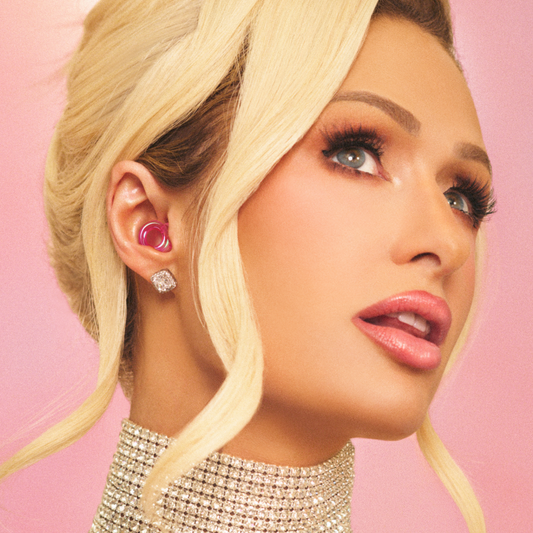
Paris Hilton x Loop Engage™ 2

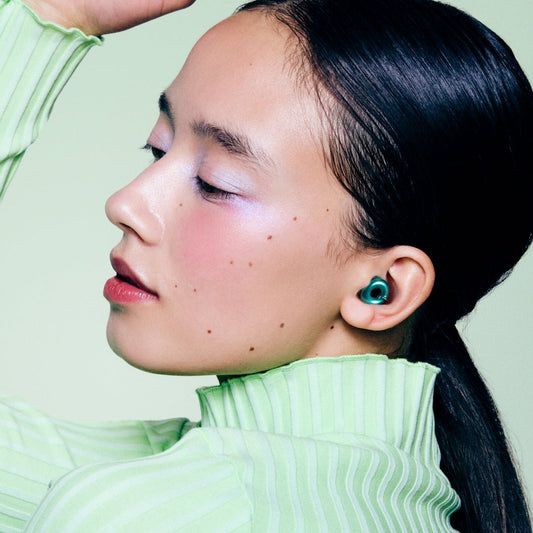

Loop Switch™ 2

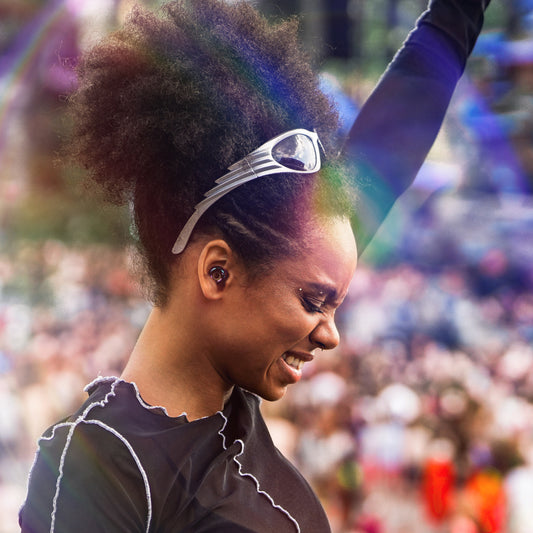
Tomorrowland x Loop Switch™ 2