Sound reduction
Discover our guide on sound reduction. With extreme volumes resulting in loss of hearing, find the best ways to reduce sound pollution in your environment.
By Liesbeth Keuninckx
Life is loud. From the big events – like concerts and festivals – to the everyday noises like heavy traffic and construction sites – noise is everywhere. And if you’re exposed to loud noises, it can potentially damage your hearing. That’s true whether you’re exposed to one single loud blast of noise, or to lots of loud noises over a prolonged period of time.
But it doesn’t have to be this way. Sound reduction can help you to reduce noise levels, protect your hearing, improve your quality of life and help you improve your concentration. We’ve gathered everything you need to know about sound reduction, right here in one place. So, keep reading to find out how to reduce noise pollution and protect your hearing health.

What are the benefits of sound reduction?
From reducing the risk of hearing damage to creating a quieter environment that makes it easier to focus, sound reduction can have a big impact on your quality of life.
The first big advantage is protecting your hearing. Exposure to sounds of 85 decibels or over has the potential to cause hearing damage, depending on how long you’re exposed to the sound for, and how close you are to the source of the noise. And considering that a noisy restaurant can reach 88 decibels, you might be exposed to dangerous sound levels more often than you think. When you reduce the noise through soundproofing solutions, you reduce the risk of hearing damage.
What’s more, many people find it difficult to focus when it’s noisy. Whether you’re trying to work, study, or even get to sleep, it can be hard when there’s noisy traffic outside, or your neighbors are up all night partying. But sound reduction techniques can remove distractions, leaving you feeling less overwhelmed and better able to focus on the task at hand.
Reduced stress from noise leads to lower anxiety levels, better sleep quality, and overall improved mental health. Ultimately, reducing sound levels can contribute to a higher quality of life by creating spaces where individuals can thrive without the detrimental effects of excessive noise.
What are the techniques for sound reduction?
So, what are some of the best noise pollution reduction methods? Some of the most common techniques for sound reduction include:
- Soundproofing, which involves adding dense materials like foam or fiberglass to walls, floors and ceilings to block sound transmission
- Acoustic insulation, which uses materials like mineral wool or cellulose to absorb and dampen within walls
- Noise barriers – if a lot of noise comes through a particular wall, you can put heavy objects like bookcases up against it to reduce the amount of noise coming through it
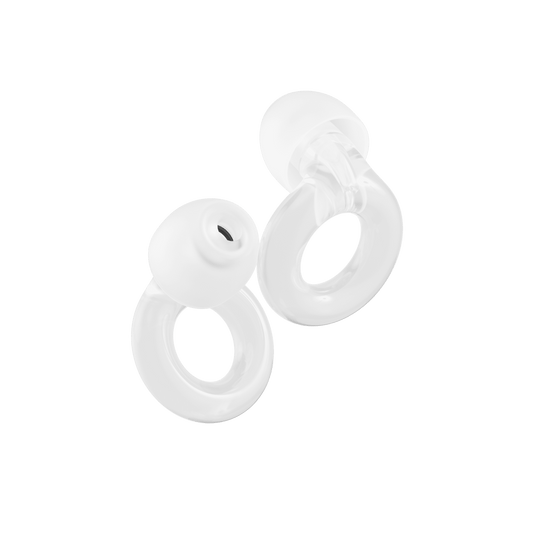
- Noise reducing earplugs, which reduce sound to a safer level, whether at home, at work or out and about.


Featured article


The real effects of noise pollution
Noise is all around us; it’s a guaranteed constant. We simply have to learn how to live our lives alongside it. But what impact is it really having on our mental and physical health? And crucially, what can we do to reduce it? Let’s take an in-depth look.