Coping and managing tinnitus: tips, information and advice
Tinnitus can be difficult to deal with, but it doesn’t have to be debilitating. We’ve gathered everything you need to know about how to cope with tinnitus.
By Liesbeth Keuninckx
If you’ve got tinnitus, we feel you. It can be difficult to deal with, and can be debilitating at times. But you’re not alone. We understand how hard it can be to live with the condition – but one of the keys to managing it effectively is understanding the condition.
We’ve gathered together all the information you need to know about tinnitus management, including its symptoms and triggers, and how to cope with tinnitus. Armed with the right knowledge and support, you can take control of your tinnitus and enhance your quality of life.

Understanding tinnitus symptoms and triggers
Tinnitus is a persistent ringing, buzzing or humming sound in the ears – but it’s the perception of a sound where there is none. That is, the ringing or buzzing is an internal sound rather than an external one. People with tinnitus may be low or high in pitch, and for some people, tinnitus can even affect their ability to hear external sounds.
As well as the frustrating ringing in your ears, tinnitus can also have other side effects, like fatigue, trouble sleeping, difficulty concentrating, anxiety and depression.
Tinnitus can be caused by various different things, including sinus infections, an ear canal blockage, problems with your blood pressure, or certain medications. But one of the most common causes is hearing loss, which can be either age-related or noise-induced. That means it can go hand-in-hand with the hearing loss that happens naturally as we age, or it can be caused by exposure to loud noises, either over a prolonged period or as a result of exposure to a single loud noise.
Ways to manage tinnitus
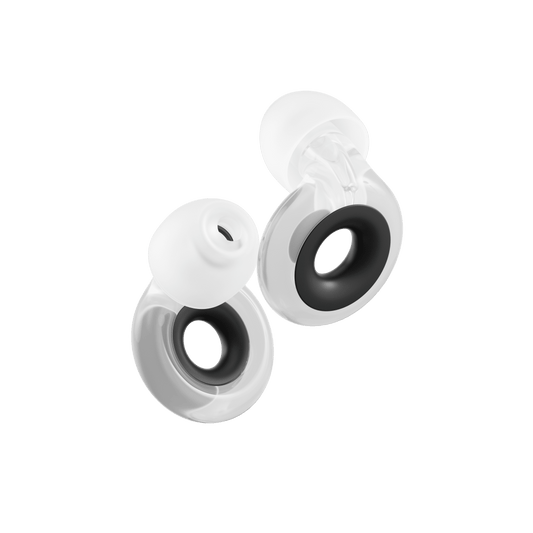
Because one of the most common causes of the condition is noise-induced hearing loss, one of the best ways of managing tinnitus is to reduce the chances of developing tinnitus in the first place by protecting your hearing with earplugs for tinnitus. If you’re a live music lover, for example, wearing concert earplugs can reduce the noise to a safer level, and make it less likely that you’ll leave the event with ringing ears.
If you already have the condition, then there are several things you can do to reduce your symptoms and improve your quality of life. This includes correcting any hearing loss, tinnitus retraining therapy, sound therapy and cognitive behavioral therapy.
You can also try tinnitus treatment at home. Some strategies include mindfulness practices like meditation, deep breathing exercises and yoga to reduce stress and promote relaxation, which can help to alleviate tinnitus symptoms.
Incorporating healthy habits into your routine like regular exercise, balanced nutrition and adequate sleep can also help to improve your wellbeing and reduce the impact of tinnitus on your quality of life.


Featured article


What is tinnitus?
Tinnitus can be annoying at best and debilitating at worst, but there are things you can do to help manage your symptoms and take control of your life.