


How Everyday Noise Can Damage Your Hearing
Von Allison Willis
Das Wichtigste auf einen Blick:
- Alltägliche Aktivitäten wie das Tragen von Kopfhörern und Fitnesskurse können zu einem allmählichen Hörverlust führen
- Das Erkennen schädlicher Geräusche kann helfen, Schäden zu vermeiden
- Glücklicherweise können Sie mit einigen einfachen Schutzmaßnahmen das Risiko für Ihre Hörgesundheit erheblich verringern

Schaden Ihre alltäglichen Aktivitäten Ihrem Gehör, ohne dass Sie es merken?
Manchmal wird angenommen, dass lärmbedingter Hörverlust durch eine einmalige Einwirkung lauter Geräusche verursacht wird – und obwohl das zutrifft, tritt lärmbedingter Hörverlust häufiger schleichend und im Laufe der Zeit auf. Die tägliche Einwirkung lauter Geräusche, beispielsweise durch Kopfhörer, Fitnesskurse, Verkehr und Haushaltsgeräte, kann mehr Schaden anrichten, als man vielleicht denkt.
Die Einwirkung dieser Geräusche bei unbedenklichen Pegeln – typischerweise unter 85 Dezibel – verursacht wahrscheinlich keine Schäden. Wenn Sie jedoch Lärm mit höheren Pegeln ausgesetzt sind, kann dies erhebliche Auswirkungen auf Ihr Gehör haben. Starker Stadtverkehr liegt beispielsweise meist bei etwa 85 Dezibel. Bei diesem Pegel besteht die Gefahr einer Schädigung Ihres Gehörs, wenn Sie länger als 8 Stunden ohne Gehörschutz dem Lärm ausgesetzt sind. Und je lauter der Lärm wird, desto schneller kann es zu möglichen Schäden kommen. Rockkonzerte liegen typischerweise bei etwa 104 dB – und bei diesem Pegel kann es bereits nach 7,5 Minuten zu möglichen Hörschäden kommen, wenn Sie keinen Gehörschutz tragen.
Und darüber hinaus können Lärmschäden in jedem Alter auftreten – sie betreffen nicht nur ältere Menschen. Untersuchungen haben ergeben, dass bis zu 17 % der Jugendlichen (im Alter von 12 bis 19 Jahren) einen lärmbedingten Hörverlust in einem oder beiden Ohren haben, und dass in den USA bis zu 10 Millionen Erwachsene unter 70 Jahren einen durch laute Geräusche verursachten Hörverlust in einem oder beiden Ohren aufweisen.
Die gute Nachricht ist jedoch, dass es Möglichkeiten gibt, Ihr Risiko zu verringern, ohne auf die Dinge verzichten zu müssen, die Sie lieben.

Alltägliche Aktivitäten, die das Gehör schädigen
Es mag Sie überraschen, dass einige Ihrer täglichen Gewohnheiten Ihr Gehör gefährden könnten. Sie mögen harmlos erscheinen, doch hier sind einige der häufigsten Übeltäter:
- Die Nutzung von Ohrhörern oder Kopfhörern bei zu hoher Lautstärke: Das Hören von Musik oder Podcasts bei hoher Lautstärke, insbesondere über Ohrhörer, die tief im Gehörgang sitzen, kann im Laufe der Zeit zu einem allmählichen Hörverlust führen.
- Laute Fitnesskurse: Spinning, HIIT und Aerobic-Kurse sind energiegeladen und machen großen Spaß – das bedeutet aber auch, dass die Musik oft auf Club-Lautstärke aufgedreht ist. Wiederholte Belastung ohne Gehörschutz kann schädlich sein.
- Laute Haushaltsgeräte und Werkzeuge: Wenn Sie gerne selbst Hand anlegen, achten Sie darauf, dass Ihre Werkzeuge nicht zu laut sind. Haushaltsgeräte wie Staubsauger, Mixer und Föhne mögen harmlos erscheinen, doch eine längere oder aus nächster Nähe erfolgende Belastung summiert sich.
- Verkehrslärm: Ob als Fußgänger, Radfahrer oder sogar als Autofahrer mit offenem Fenster – der dichte Stadtverkehr kann lauter sein, als Sie denken, und möglicherweise Schäden verursachen, insbesondere wenn Sie an einer stark befahrenen Straße wohnen oder lange im Stau stehen.
- Konzerte und Sportveranstaltungen: Das kommt vielleicht nicht täglich vor, aber wenn Sie regelmäßig Konzerte besuchen oder ein begeisterter Fußballfan sind, sollten Sie sich bewusst sein, dass diese lauten Veranstaltungen potenzielle Hörschäden verursachen können.
- Cafés, Restaurants und Bars: Von lauter Musik bis hin zu ständigem Geplauder – diese sozialen Treffpunkte können überraschend laut sein und leicht Werte von über 85 dB erreichen – was das Hören erschweren und Ihre Ohren gefährden kann.
- Öffentliche Verkehrsmittel: Bei Fahrten mit U-Bahnen, Zügen oder Bussen sind Fahrgäste häufigen lauten Geräuschimpulsen ausgesetzt. Seien Sie also vorsichtig, wenn Sie täglich lange Zeit im Pendelverkehr unterwegs sind.

Die versteckten Anzeichen einer Hörbeeinträchtigung
Ein Hörverlust schleicht sich oft schleichend ein, weshalb viele Menschen die Warnzeichen erst bemerken, wenn er bereits fortgeschritten ist. Hier sind einige subtile Anzeichen dafür, dass Ihre Ohren möglicherweise bereits überlastet sind:
- Schwierigkeiten, Gesprächen an lauten Orten zu folgen
Fällt es Ihnen schwer, in Restaurants, Bars oder überfüllten Räumen zu hören? Wenn es Ihnen schwerfällt, bei starken Hintergrundgeräuschen zu verstehen, was andere sagen, könnte dies ein frühes Anzeichen für eine Hörbeeinträchtigung sein.
- Anhaltendes Klingeln oder Summen in den Ohren
Haben Sie schon einmal ein Konzert mit einem Klingeln in den Ohren verlassen? Das ist ein Zustand, der als Tinnitus bezeichnet wird und oft ein frühes Symptom für eine Schädigung Ihres Innenohrs ist. Selbst wenn Ihr Gehör ansonsten normal zu sein scheint, kann Tinnitus darauf hindeuten, dass möglicherweise ein Problem vorliegt.
- Die Lautstärke Ihrer Geräte erhöhen
Drehen Sie oft den Fernseher, die Musik oder bei Telefonaten die Lautstärke höher? Wenn Sie die Lautstärke immer weiter erhöhen – und es nicht einmal bemerken, bis jemand anderes Sie darauf hinweist –, ist das ein klassisches Warnzeichen für einen Hörverlust.
So schützen Sie Ihr Gehör im Alltag
Ganz gleich, ob Sie bereits eines dieser Frühwarnzeichen bemerkt haben oder verhindern möchten, dass Sie davon betroffen sind – es ist ratsam, Maßnahmen zum Schutz Ihres Gehörs zu ergreifen. Glücklicherweise können schon ein paar einfache Maßnahmen viel dazu beitragen, Ihre Ohren zu schützen – ganz ohne drastische Eingriffe. Hier sind einige Tipps für den Anfang:
- Schränken Sie die Nutzung von Kopfhörern ein: Egal, ob Sie Over-Ear-Kopfhörer oder Ohrhörer verwenden – versuchen Sie, regelmäßig Pausen ohne Kopfhörer einzulegen. Und wenn Sie Musik hören, sollten Sie am besten die 60/60-Regel befolgen: Halten Sie die Lautstärke auf maximal 60 % und legen Sie ein Zeitlimit von 60 Minuten fest. Geben Sie Ihren Ohren anschließend Zeit, sich zu erholen, bevor Sie Ihre Kopfhörer wieder aufsetzen.
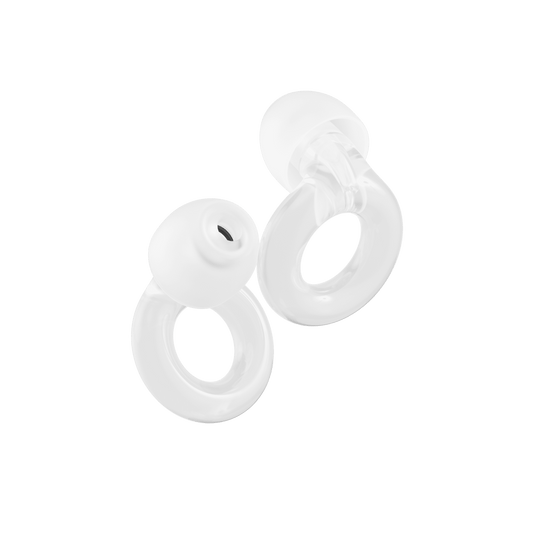
- Verwenden Sie schützende Ohrstöpsel: Ob Sie auf einem Konzert sind, mit der U-Bahn fahren oder im Spinning-Kurs ins Schwitzen kommen – geräuschmindernde oder geräuschunterdrückende Ohrstöpsel können Ihre Belastung durch gefährliche Lärmpegel reduzieren, ohne dass Sie dabei auf Klangqualität verzichten müssen. Probieren Sie die Loop Experience-Ohrstöpsel für einen klaren Klang mit einer Geräuschminderung von 17 dB aus.
- Machen Sie regelmäßig Lärmpausen: Das kann schwierig sein, wenn Sie in einer lauten Umgebung arbeiten oder an einer belebten Straße wohnen, aber versuchen Sie, sich vom Lärm zurückzuziehen, wann immer es möglich ist. Schon ein paar Minuten Ruhe pro Stunde geben Ihren Ohren Zeit, sich zu erholen, und verringern so die langfristigen Auswirkungen auf Ihr Gehör.
Kleine, konsequente Maßnahmen wie diese können im Laufe der Zeit einen großen Unterschied machen und Ihnen helfen, Ihren Alltag zu genießen, ohne Ihr Gehör zu beeinträchtigen.
Über 14 Millionen zufriedene Kunden
Unsere Ohrstöpsel

Loop Engage™ 2

Loop Experience™ 2

Loop Quiet™ 2


Loop Switch™ 2
Die Wahl des richtigen Gehörschutzes
Der tägliche Gehörschutz kann dazu beitragen, Ihre Ohren zu schützen – doch es ist wichtig, die richtigen Ohrstöpsel auszuwählen. Wenn Sie sich für Modelle entscheiden, die gut sitzen, Ihre Ohren schützen und obendrein gut aussehen, macht das den entscheidenden Unterschied zwischen einem Produkt, das Sie tatsächlich jeden Tag tragen, und einem, das irgendwann in einer Schublade in Vergessenheit gerät.
Achten Sie zunächst darauf, dass sie bequem sind und gut sitzen. Materialien wie Soft-Touch-Silikon sorgen dafür, dass sie sanft zu Ihren Ohren sind und den ganzen Tag über angenehm zu tragen sind. Richtig sitzende Ohrstöpsel sollten den Lärmpegel wirksam reduzieren, ohne Druck oder Reizungen zu verursachen. Halten Sie Ausschau nach Ohrstöpseln wie „Loop“, die Ohrpassstücke in verschiedenen Größen anbieten, damit Sie die perfekte Passform für Ihre Ohrgröße und -form finden können.
Der Lärmschutzwert (NRR) ist ein weiterer wichtiger Faktor bei Ohrstöpseln. Dieser Wert gibt an, wie viel Lärm die Ohrstöpsel effektiv reduzieren können – je höher der NRR, desto mehr Schutz bieten die Ohrstöpsel. Für den Alltag, wie zum Beispiel die Fahrt in einem lauten Zug oder die Arbeit in einem belebten Café, reicht möglicherweise ein niedrigerer NRR aus, während laute Veranstaltungen oder die Arbeit mit Elektrowerkzeugen einen höheren NRR erfordern können.
Schließlich haben Sie die Wahl zwischen Einweg- und wiederverwendbaren Ohrstöpseln. Einweg-Ohrstöpsel sind preisgünstig und eignen sich hervorragend für den gelegentlichen Gebrauch, aber da es sich um Einwegartikel handelt, können sie viel Abfall verursachen. Zudem sind sie nur in einer Einheitsgröße erhältlich – was bedeuten kann, dass sie nicht wirklich in Ihre Ohren passen. Wiederverwendbare Ohrstöpsel sind für den wiederholten Gebrauch konzipiert und bieten langfristig ein besseres Preis-Leistungs-Verhältnis – und wenn Sie sich für Ohrstöpsel wie „Loop“ mit einer Auswahl an Ohrpassstückgrößen entscheiden, bieten sie zudem eine bessere Passform.
Weitere Tipps zur Ohrengesundheit
Der Schutz Ihres Gehörs mit Ohrstöpseln ist ein guter Anfang. Für gesunde Ohren sollten Sie jedoch einen Lebensstil anstreben, der Ihr Gehör sowohl kurz- als auch langfristig unterstützt. Hier sind einige Tipps zum Gehörschutz, damit Ihr Gehör noch viele Jahre lang erhalten bleibt:
- Regelmäßige Hörtests: Warten Sie nicht, bis ein Problem auftritt, bevor Sie einen Audiologen aufsuchen. Genau wie bei Ihren Augen und Zähnen ist es sinnvoll, regelmäßige Vorsorgeuntersuchungen durchführen zu lassen, um die Gesundheit Ihrer Ohren zu überwachen. Ein Audiologe kann Veränderungen Ihres Hörvermögens erkennen, und dank der Früherkennung sollten Sie Maßnahmen ergreifen können, bevor sich der Schaden weiter verschlimmert.
- Lärmbelastung vermeiden: Versuchen Sie auf Partys, Veranstaltungen oder sogar in Großraumbüros, sich von Lautsprechern oder lauten Maschinen fernzuhalten. Wenn Sie den Lärm nicht vermeiden können, tragen Sie einen Gehörschutz oder legen Sie Pausen ein, um die Lärmbelastung zu reduzieren.
- Schaffen Sie ruhige Rückzugsorte zu Hause und am Arbeitsplatz: Schaffen Sie sich zu Hause oder am Arbeitsplatz Bereiche, in denen der Lärm auf ein Minimum reduziert ist. Sie müssen nicht jeden Tag stundenlang in Stille verbringen – schon eine kurze Pause an einem ruhigen Ort kann Ihren Ohren eine dringend benötigte Auszeit verschaffen.
Es lohnt sich, Ihre Ohren zu schützen – und auch wenn Sie den Lärmpegel in Ihrer Umgebung vielleicht nicht beeinflussen können, können Sie Maßnahmen ergreifen, um sicherzustellen, dass der Lärm keine negativen Auswirkungen hat. Beginnen Sie noch heute mit kleinen Schritten – drehen Sie die Lautstärke herunter, tragen Sie Ohrstöpsel bei sich und vereinbaren Sie einen Termin für eine Höruntersuchung. Ihr zukünftiges Ich wird es Ihnen danken.